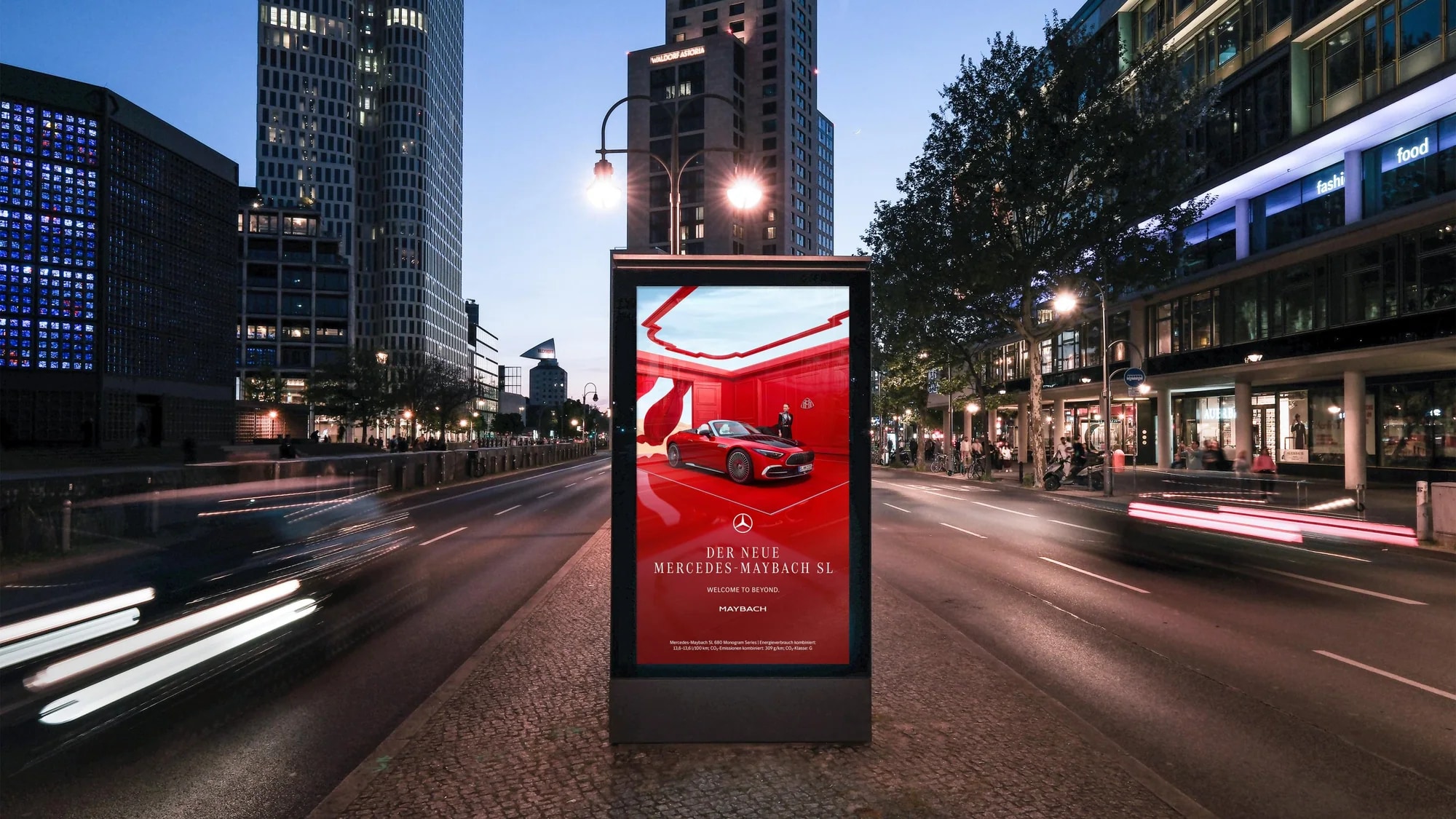
Full-funnel outdoor
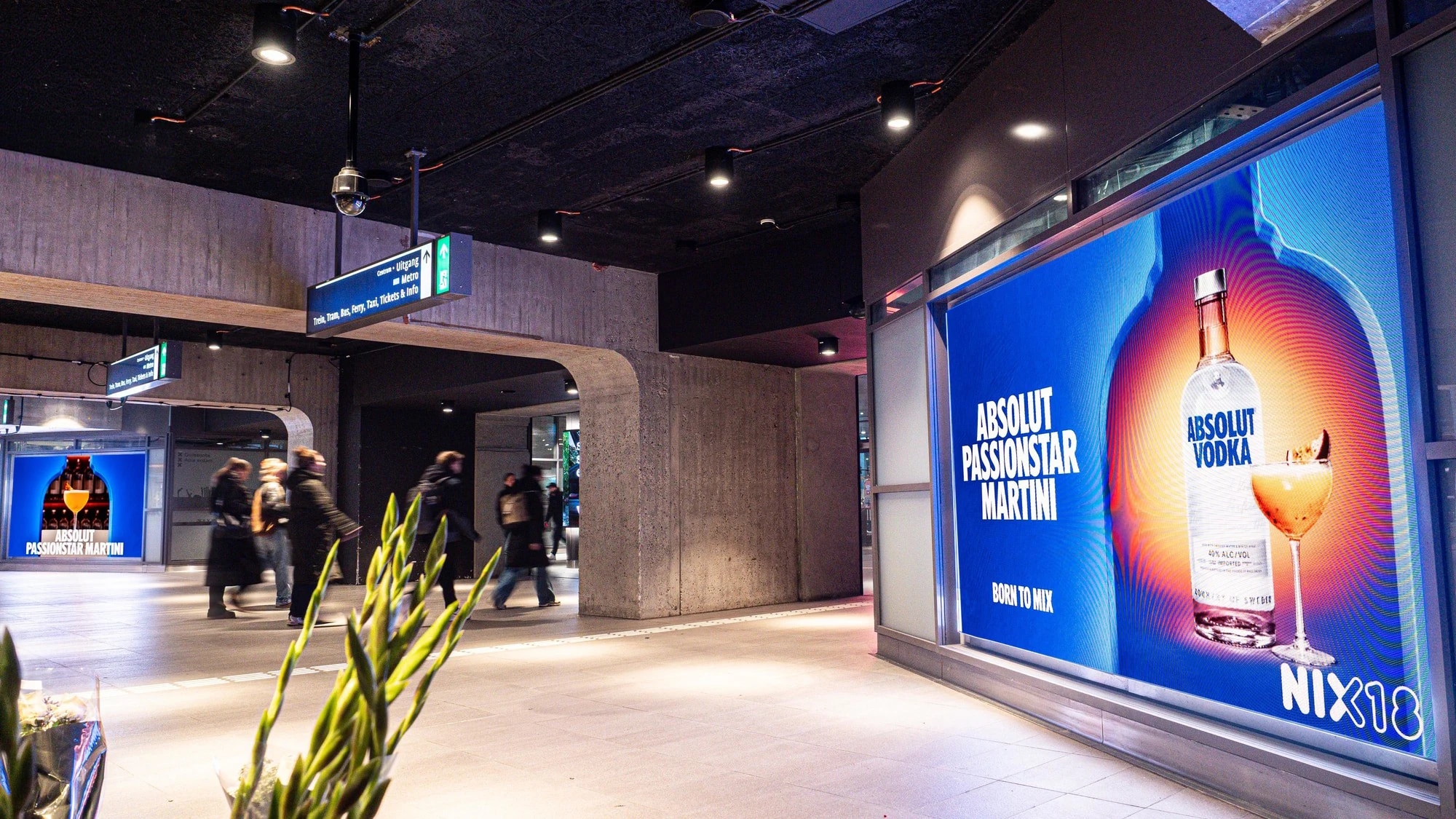
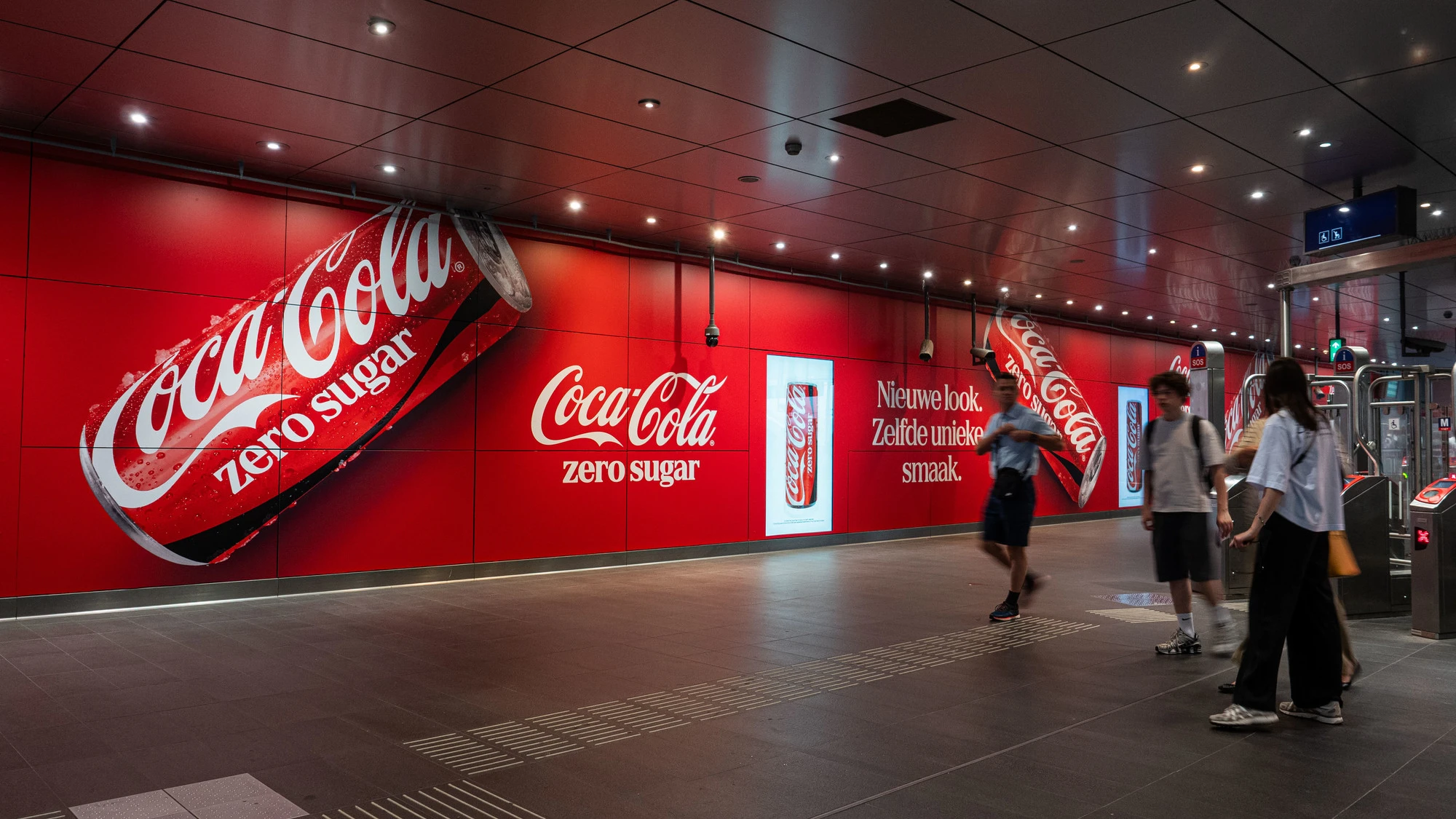
Surface and underground formats around the Coolsingel and Koopgoot can run together to cover a shopper's whole route through the centre.

Rotterdam rebuilt its centre almost entirely after 1940, which is why the Coolsingel boulevard runs wide and modern past a city hall that somehow survived the bombing. Below street level, the Koopgoot has linked the Lijnbaan and Hoogstraat shopping streets since 1996, feeding straight into Beurs metro station. For advertisers, that combination of surface boulevard and underground retail gives a campaign two connected audiences in one booking.
A site in central Rotterdam?
The centre is compact, so one well placed face is seen on the way out as well as the way in. Share the dates.
 © CS Digital Media
Rotterdam's centre works differently to Amsterdam's older core, because almost everything on and around the Coolsingel was rebuilt after 1940 with wide, modern sightlines in mind. The Koopgoot beneath it has linked the Lijnbaan and Hoogstraat shopping streets since 1996, sending shoppers straight past metro-level formats on their way between them. Since the 2021 renovation cut car lanes on the Coolsingel from four to two, more of that boulevard belongs to people on foot and on bikes, which is exactly the audience a street-level format needs. The boulevard itself now carries heavy pedestrian and cyclist flow since car lanes were reduced.
900m
Coolsingel length
The boulevard runs from Hofplein to Churchillplein through the retail heart of the city.
1996
Koopgoot opened
The underground Beurstraverse has linked Lijnbaan and Hoogstraat with direct metro access for almost three decades.
71m
Stadhuis clock tower
Rotterdam's 1920 city hall tower is one of the few Coolsingel buildings to survive the 1940 bombing.
Reach beyondthe boulevard
Rotterdam's rebuilt skyline is one of the most photographed in the Netherlands, so a placement on the Coolsingel travels well past the people walking it that day.
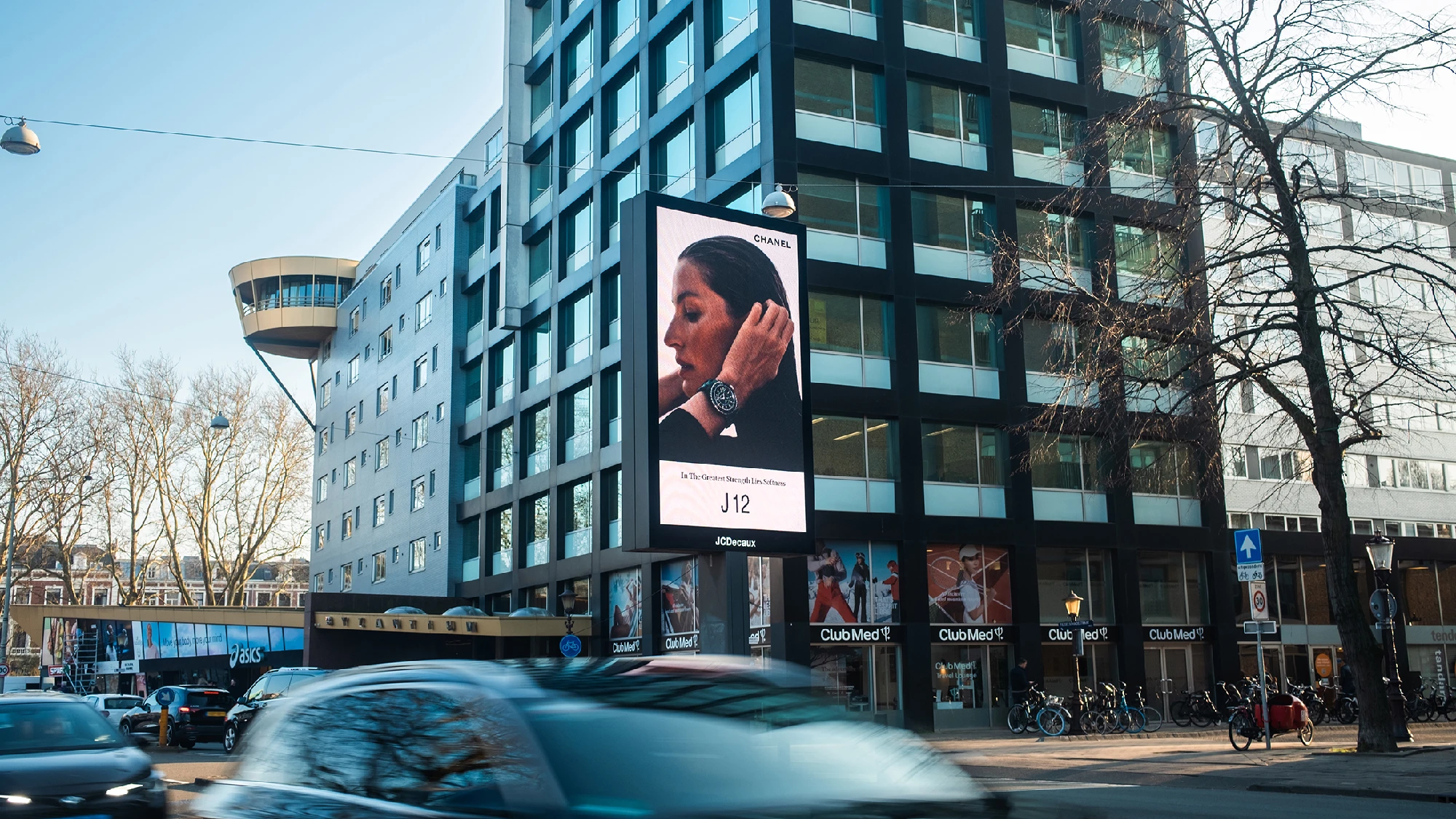 © JCDecaux













Rotterdam's centre rewards formats built for a wide, modern boulevard rather than a narrow historic street, from Coolsingel-facing panels to the metro-linked billboard formats inside the Koopgoot. Planning a campaign here usually means combining a surface site with an underground one, so the same message reaches someone twice on their way through town.
Surface and underground formats around the Coolsingel and Koopgoot can run together to cover a shopper's whole route through the centre.
Surface and underground formats around the Coolsingel and Koopgoot can run together to cover a shopper's whole route through the centre.
We confirm availability and production specs quickly, so a campaign built around a retail or launch date doesn't lose time to admin.
Planning reflects Rotterdam's rebuilt, car-reduced boulevard directly, rather than a generic city-centre template borrowed from somewhere else.
Artwork is checked against each panel's real dimensions and viewing angle, surface or underground, before production starts.
We help your brand go big, without overpaying or waiting weeks for quotes. From quoting, planning, booking, municipal approvals, production and installation, we handle it all under one roof.
Browse other outdoor advertising opportunities across the Netherlands, or explore landmark sites in other countries.
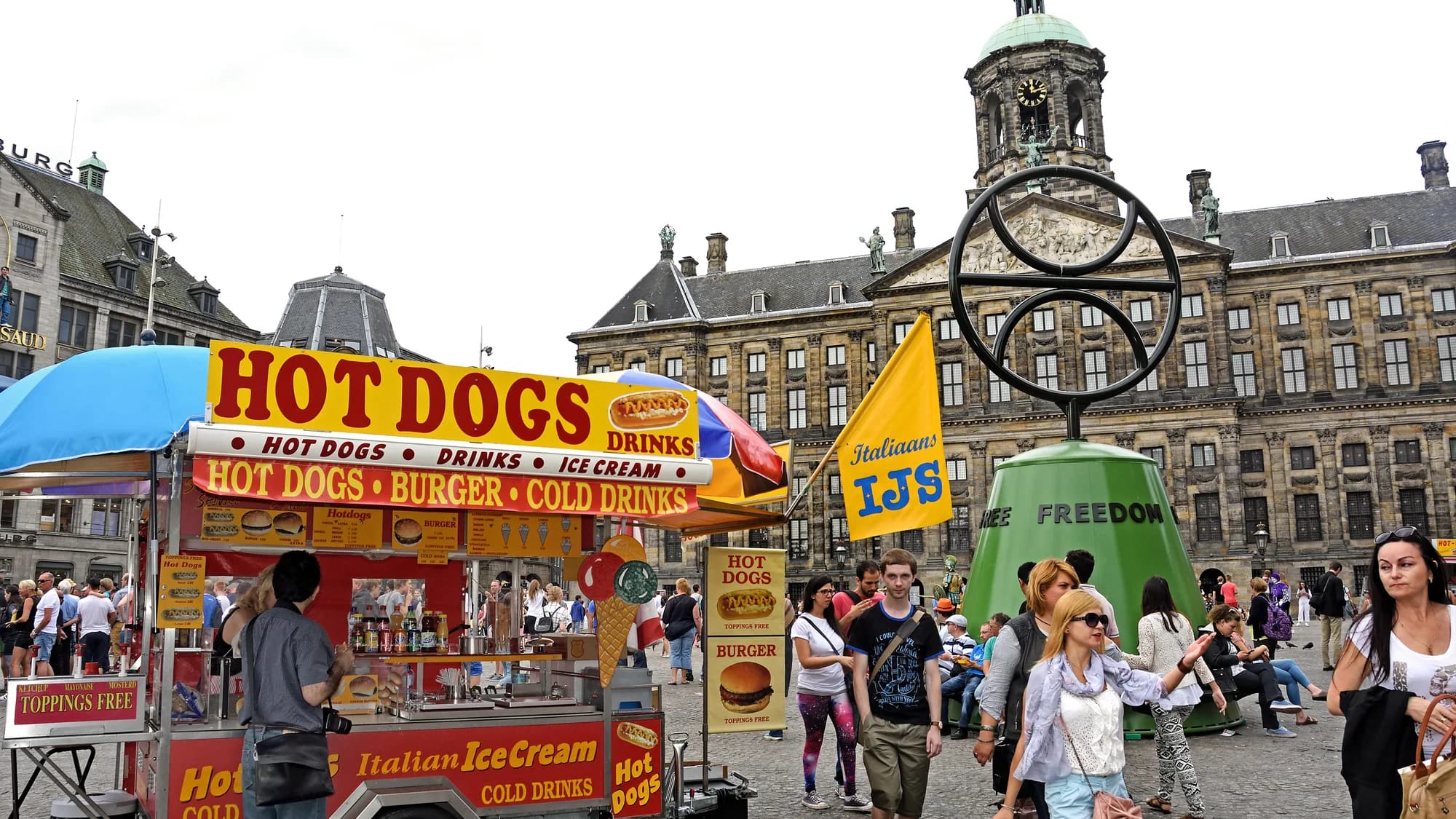
Amsterdam
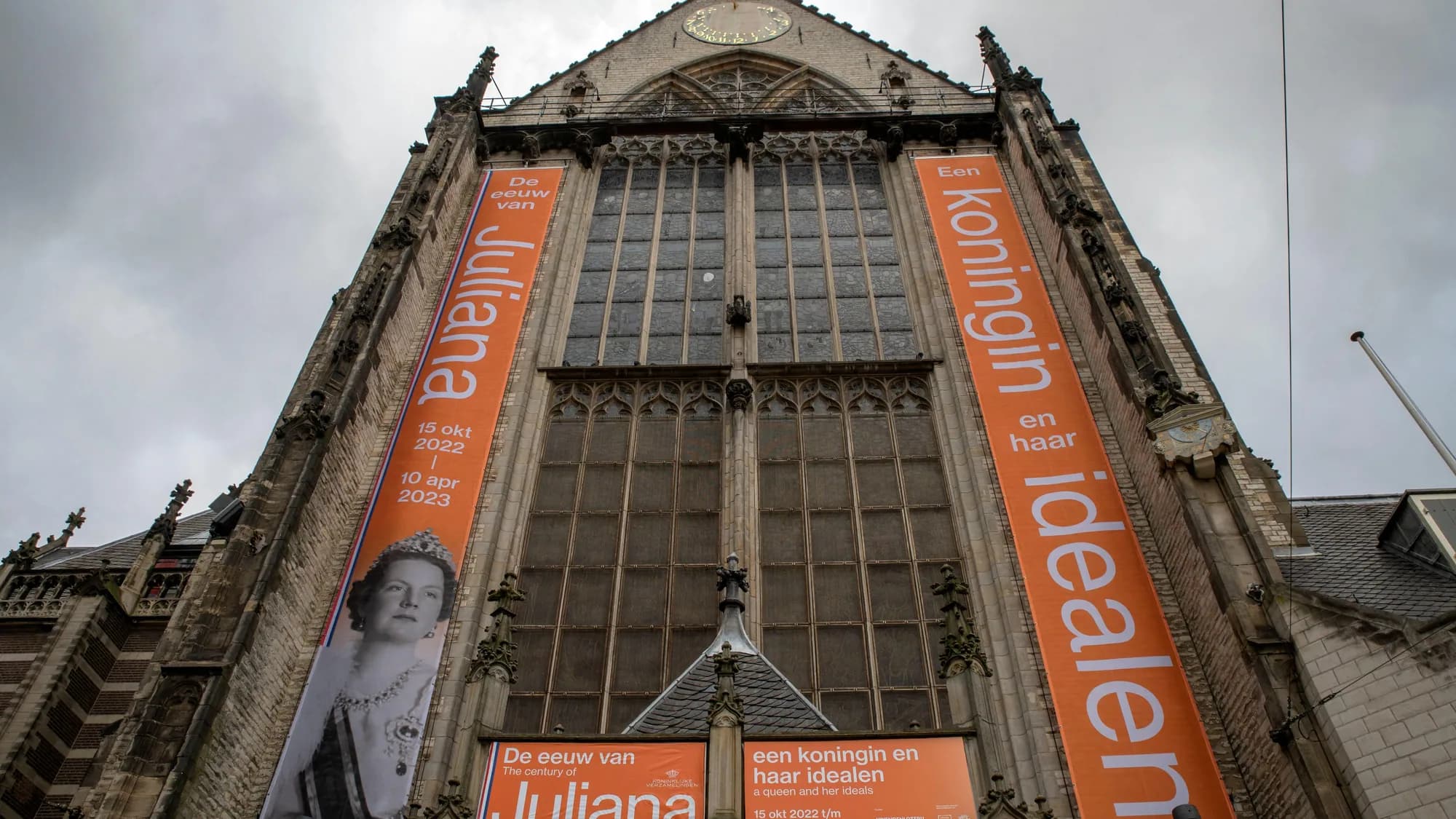
Amsterdam

Dubai
See outdoor advertising opportunities at other landmark destinations across regions and cities worldwide.
Explore Global LocationsCost depends on whether the format sits on the surface along the Coolsingel or underground in the Koopgoot near Beurs metro station, since production and installation differ between the two. Most campaigns here are booked in slots of around two weeks, priced against the specific panel and its footfall rather than a flat citywide rate. Share your campaign details and we'll quote against real, current availability.
The Koopgoot, officially the Beurstraverse, is the underground shopping street that has linked Lijnbaan and Hoogstraat since 1996, with direct access to Beurs metro station. Because it channels shoppers moving between two of Rotterdam's busiest retail streets, formats placed along it get repeated, close-range views from people already in a shopping mindset, which suits both brand and promotional creative.
Since the 2021 renovation reduced car lanes from four to two, more of the boulevard's audience is now on foot or on a bike rather than passing through in traffic. That includes shoppers heading to the surrounding stores, office workers around the Stadhuis, and residents cutting through the centre, giving a placement here a broad, repeat local audience rather than a purely tourist one.
Most surface and underground slots in the city centre are booked several weeks ahead, particularly around retail peaks and major events in the centre. Booking early also leaves time to fit production to the exact panel, since surface and underground formats differ in size and viewing distance.
Much of the historic centre, including most of the buildings along the Coolsingel, was destroyed in the German bombing of 14 May 1940, and the city rebuilt around wide, modern boulevards rather than restoring the old street plan. The Stadhuis, completed in 1920, is one of the few buildings from before the war still standing on the Coolsingel today, which is part of why it remains such a recognisable landmark.
Yes, that's one of the practical advantages of the centre's layout. A booking that combines a Coolsingel-facing format with a panel inside the Koopgoot or near Beurs metro station reaches shoppers on the surface and commuters moving underground in the same campaign, without needing two separate site negotiations.
Tell us the markets, the audience and the objective. Our specialists will build the plan and manage the campaign from briefing through to delivery.
Tell us the markets, the audience and the objective. Our specialist will come back with recommended formats, availability and next steps within 48 hours.
Share a brief and a specialist will come back with recommended formats, availability and next steps within 48 hours.