
Roadside advertising where the traffic slows
Roadside is where most outdoor plans start: highways, city arteries and the corridors people drive every day. We book street furniture, billboards and digital screens along those routes, and each site is priced on its own. Send the markets, and a corridor plan comes back within 48 hours. The same drivers pass the face every weekday, which is the frequency a roadside plan is actually selling.
Which corridor should the plan follow?
The same drivers pass a roadside face every weekday. Send the markets and we will price the sites one by one.
Outdoor at arterial scale
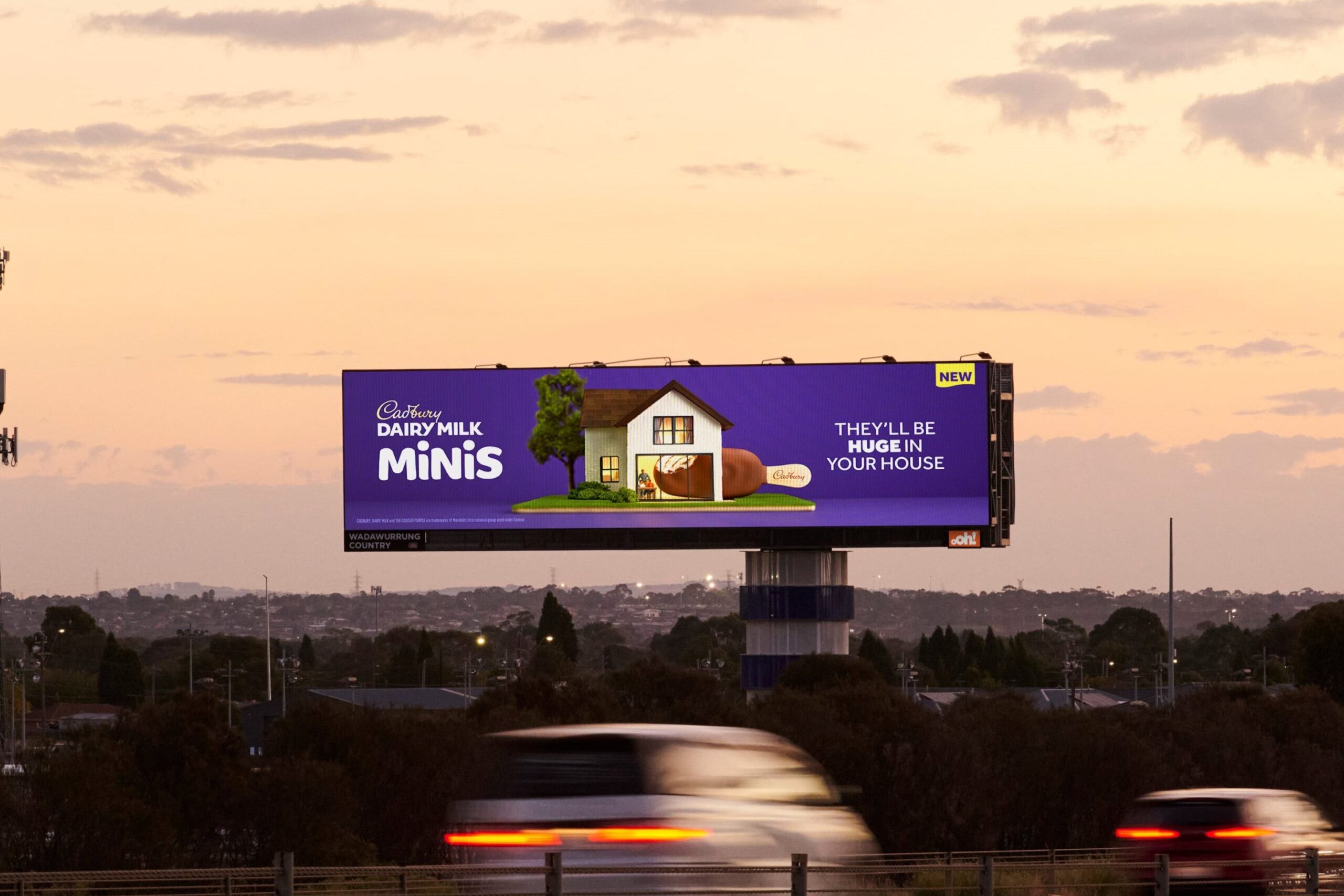
Roadside is the backbone of most media plans. It's where audience density is highest, where creative can hold its own from a distance and where daily commutes turn brand exposure into brand recall.
We plan roadside campaigns across three headline formats: street furniture for pedestrian-scale, eye-level reach; billboards for arterial and highway scale; and digital OOH for tactical, dayparted messaging on the busiest LED and 3D anamorphic sites. Together they cover the full journey from residential street to airport approach.
Every plan is built around specific corridors and audience movements — commuter arteries, retail districts, event routes — so the format supports the moment rather than sitting in isolation. Site-listed pricing, transparent share-of-voice data and end-to-end production make the format the most flexible way to buy scale in outdoor.
Highways, corniches and city arteries
Sheikh Zayed Road, King Fahd Road, the Périphérique and Nathan Road — the corridors that carry the daily commute across our 16 markets, and where roadside campaigns build repeat exposure.
Signature corridors
- Sheikh Zayed RoadDubai, UAE
- King Fahd RoadRiyadh, KSA
- Boulevard PériphériqueParis, France
- Cromwell Road (A4)London, UK
- Nathan RoadHong Kong
- Gyeongbu ExpresswaySeoul, South Korea
- Shuto ExpresswayTokyo, Japan
- N1 De Waal DriveCape Town, SA
Ideal for
- Mass reach
- Product launches
- Retail promotions
- Automotive
- Telco
- Always-on brand
Roadside Formatswe plan and book
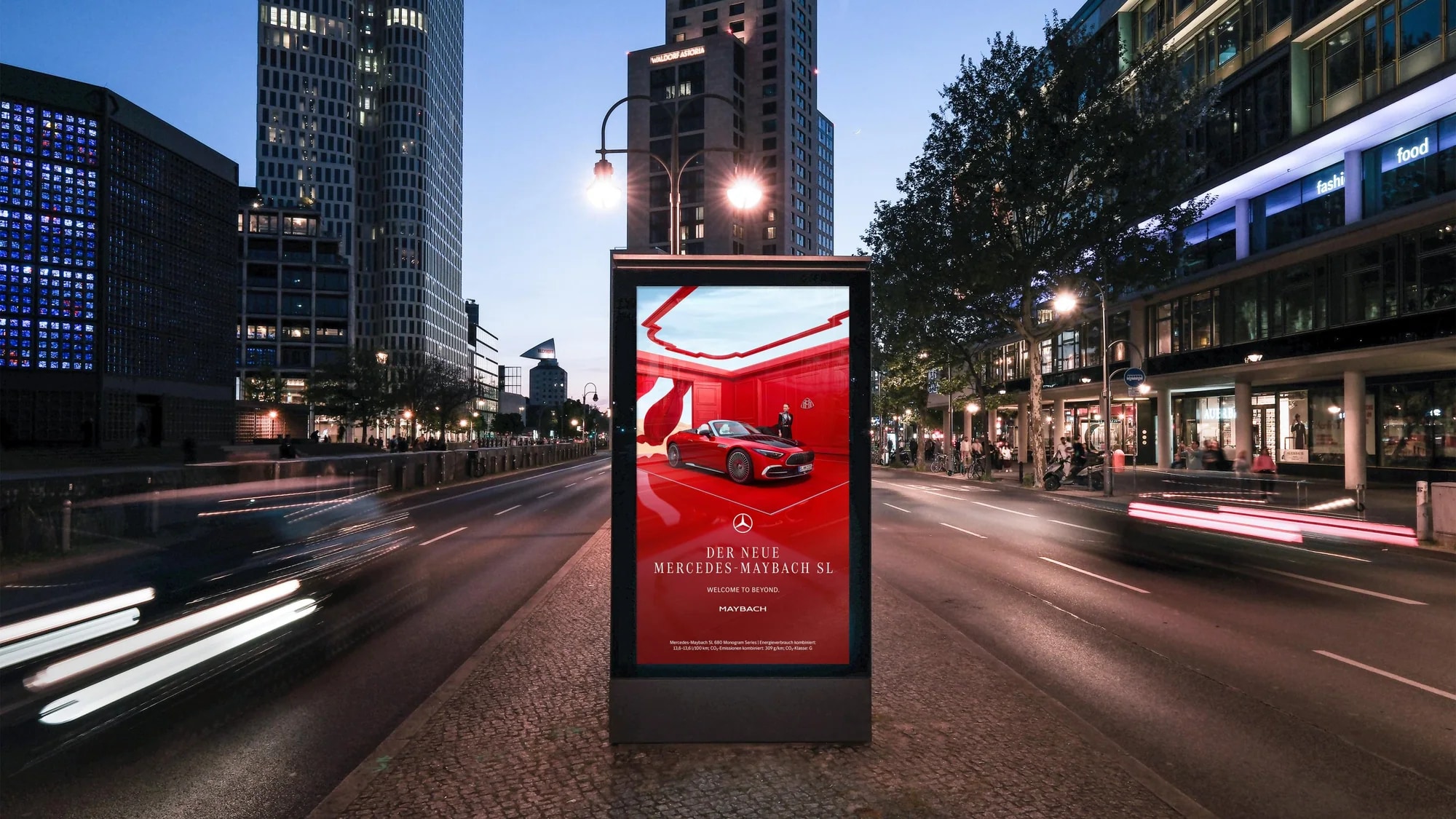
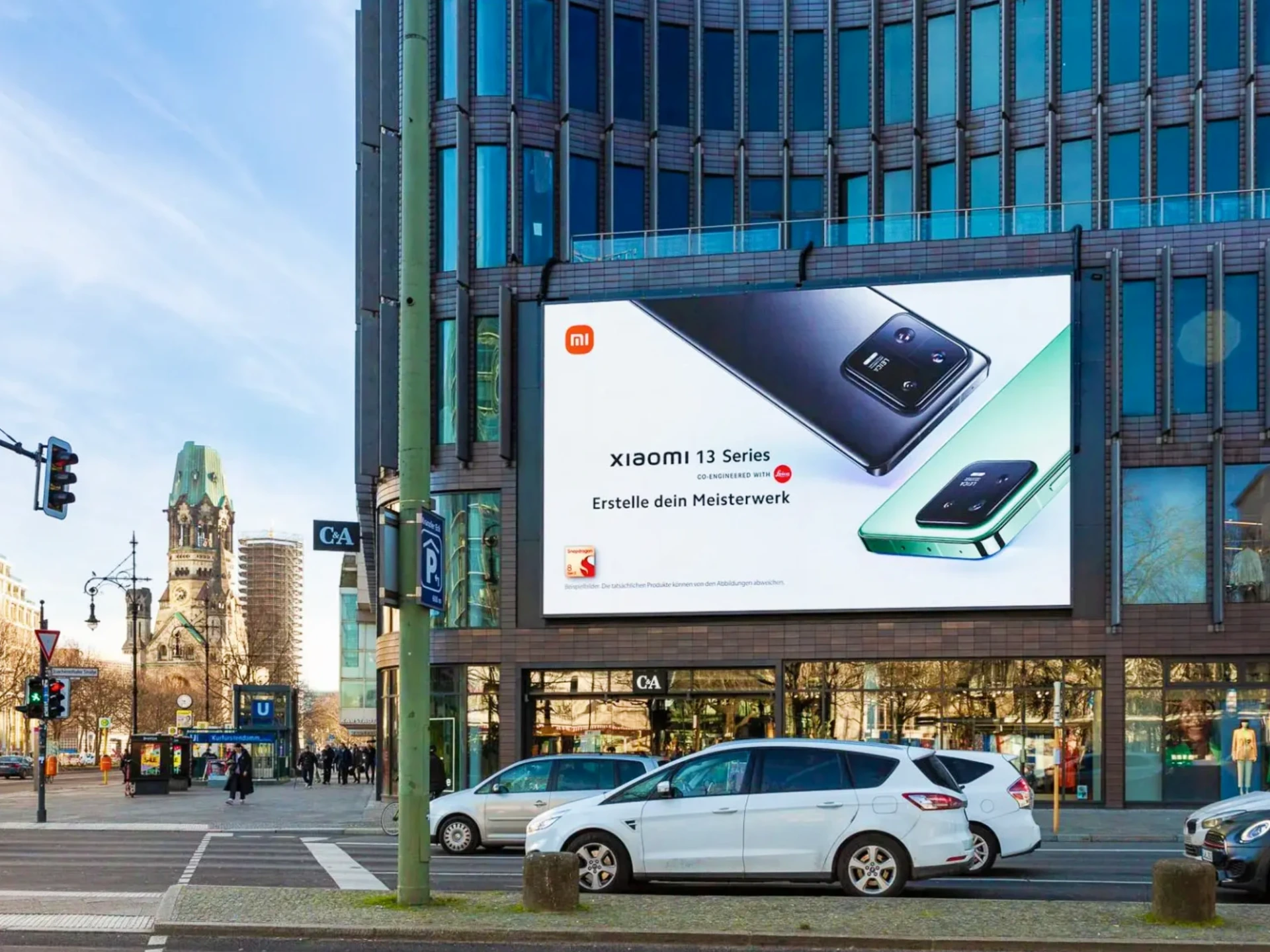
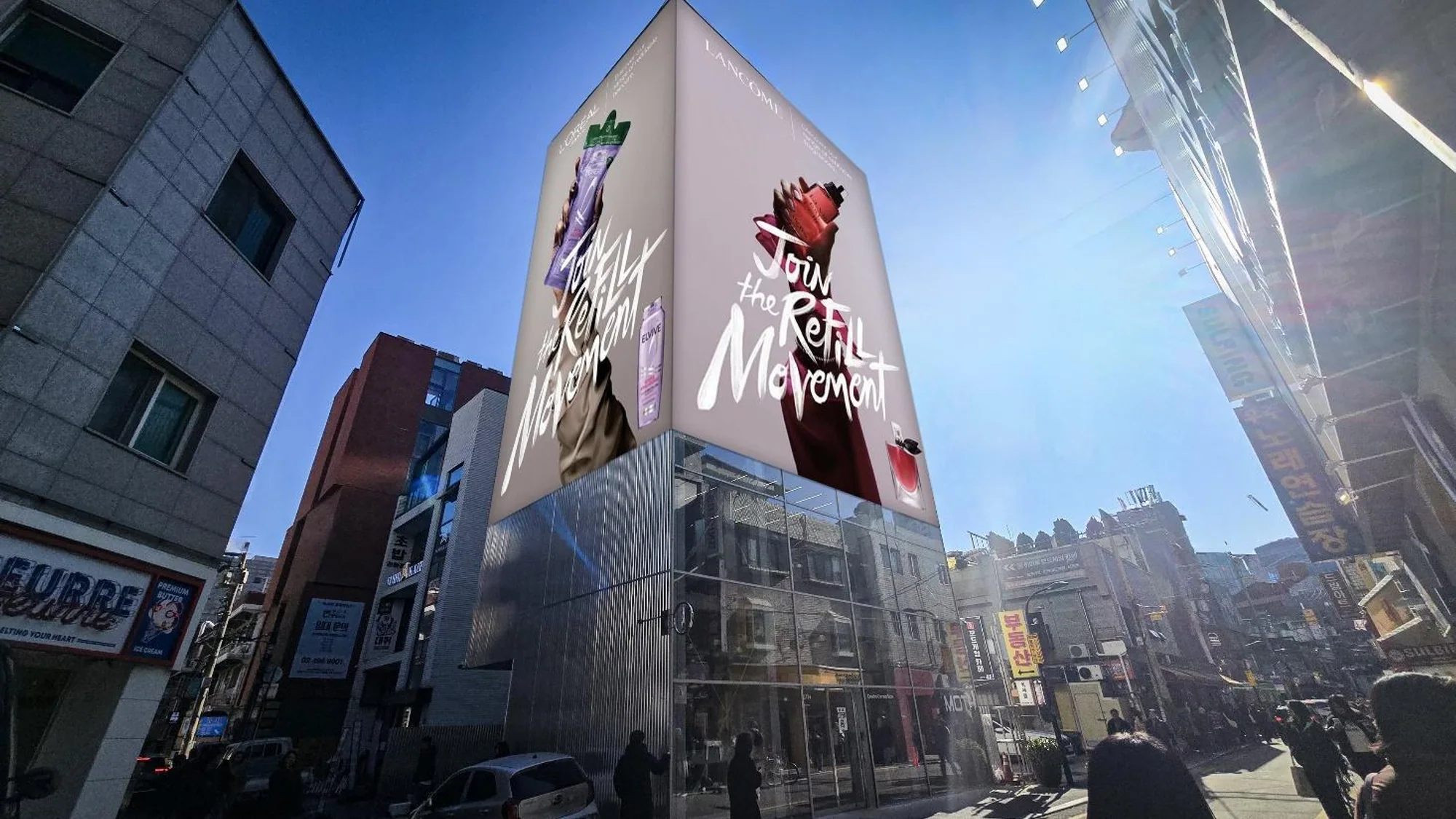
The formats that live inside the roadside environment. Each links through to full campaign detail, pricing indications and country availability.

One Team. Every Step. No Friction

We help your brand go big, without overpaying or waiting weeks for quotes. From quoting, planning, booking, municipal approvals, production and installation, we handle it all under one roof.
Frequently Asked Questions
Roadside advertising is any out-of-home media placed along a road — highways, arterial routes, city gateways, ring roads and commuter corridors. It covers street furniture at pedestrian level, billboards at arterial scale and digital OOH on high-frequency LED and 3D anamorphic sites.
We plan three headline format groups: Street Furniture (lampposts, MUPIs, bus shelters), Billboards (unipoles, bridge banners, hoardings, building banners, gantries) and Digital OOH (digital billboards, programmatic screens, 3D anamorphic screens). The right mix depends on the corridor and the campaign.
Roadside is the largest and most flexible price band in outdoor. Standard bus shelters and MUPIs are among the most efficient reach formats we book; landmark digital billboards, gantries and 3D anamorphic screens sit at the premium tier. Every plan is site-listed with transparent rates.
Traffic volume is only one part of the picture. The sites that deliver the highest brand recall combine daily commuter reach with strong sightlines, low speeds (or stop-start traffic) and creative-friendly formats. We shortlist sites against your audience brief rather than a raw impression count.
Standard roadside campaigns run in two-week or monthly cycles. For real brand recall, three to six months of always-on presence tends to work best — especially on landmark digital and premium unipole sites.
Yes. From artwork QA and print, through to permits, install, day-one QA and post-campaign reporting, we manage the full roadside workflow under one team. That includes municipal approvals, structural sign-off and materials engineered for the local climate.