
Jimmy Choo Eyewear's Global OOH Campaign Across Fashion Capitals
Sally Langford
Oct 5, 2026

By Abinet TassewSep 17, 20266 min read
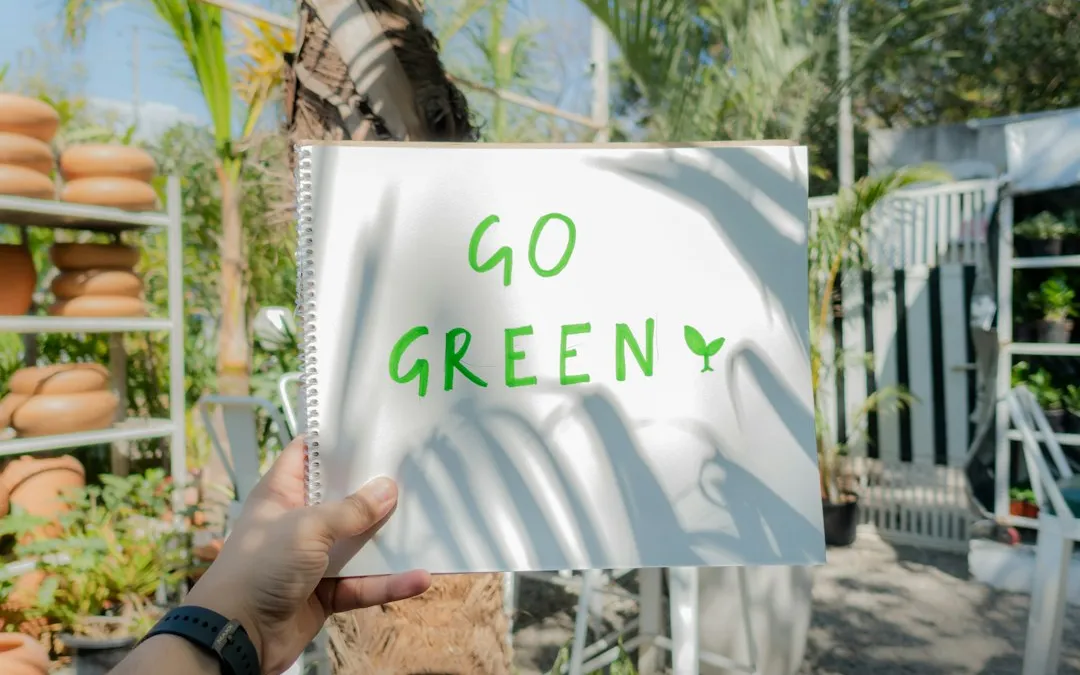
As environmental concerns take center stage, the advertising industry faces growing scrutiny over its ecological footprint. From digital emissions to physical materials, the question of sustainability in marketing is no longer optional. Brands, agencies, and media buyers are all grappling with how to communicate effectively while reducing harm to the planet.
Green advertising does not mean slapping a leaf logo onto a campaign and calling it progress. It involves rethinking the full lifecycle of a campaign, from design and production to distribution and disposal. The environmental impact of advertising shows up in surprising places: server energy for digital ads, vinyl waste from billboard installations, carbon emissions from transport, and printed materials that end up in landfill. Understanding these impacts is the first step toward meaningful change.
Advertising has traditionally operated on a model of maximum visibility, often at the expense of efficiency. Billboards use lighting that runs all night. Digital campaigns serve millions of impressions, each requiring server power and data transfer. Print runs generate offcuts, inks, and paper waste. Even a simple poster campaign involves transportation, installation, and removal.
The outdoor advertising sector has a particularly visible footprint. Large-format printing, vinyl substrates, and illuminated displays all consume resources. A single billboard can require hundreds of kilograms of material, much of which is single-use. When campaigns end, these materials are rarely recycled. The result is a continuous cycle of production and disposal that mirrors the broader problem of consumer waste.
Digital advertising, often seen as a cleaner alternative, carries its own environmental burden. Data centers that serve ads consume vast amounts of electricity, much of it still generated from fossil fuels. Video ads, rich media, and programmatic bidding all increase energy use. The carbon cost of a single ad impression is small, but multiplied across billions of impressions daily, the total adds up.
Traditional out-of-home advertising relies heavily on PVC and vinyl, both petroleum-based plastics. These materials are durable and weather-resistant, which makes them ideal for outdoor use but terrible for the environment. They do not biodegrade, and recycling infrastructure for them is limited. Most end up incinerated or in landfill.
Inks and adhesives add another layer of complexity. Solvent-based inks release volatile organic compounds into the atmosphere. Water-based and UV-curable inks are better, but still not entirely benign. Adhesives used for installation often make materials difficult to separate and recycle.
Illuminated billboards, digital screens, and backlit displays require constant power. In some markets, these installations run 24 hours a day, regardless of traffic or visibility. LED technology has improved efficiency, but the sheer volume of digital outdoor inventory means total energy use continues to rise.
Transport is another hidden cost. Moving large-format materials to installation sites, deploying installation teams, and later removing old campaigns all generate emissions. In markets where billboard density is high, the logistics footprint can be substantial.
Green advertising is not a single solution but a collection of practices that reduce environmental impact at every stage. Some changes are straightforward, like switching to recycled paper or using LED lighting. Others require rethinking the brief itself: shorter campaign durations, smaller print runs, or digital-first strategies that eliminate physical waste altogether.
Material innovation is one area where progress is visible. Biodegradable substrates, water-based inks, and solvent-free adhesives are now available, though not yet standard. Some agencies and printers have adopted eco-certifications, ensuring their processes meet environmental benchmarks. Reusable billboard structures and modular display systems are gaining traction, allowing the same hardware to support multiple campaigns.
Energy efficiency is another focus. Solar-powered billboards, motion-sensor lighting, and lower-brightness settings during off-peak hours all reduce consumption. Digital screens can be programmed to dim or switch off when foot traffic is low, cutting energy use without sacrificing reach.
Digital campaigns can reduce their footprint through better targeting and lower frequency caps. Serving fewer, more relevant impressions cuts both waste and energy use. Some platforms now offer carbon-offset options, allowing advertisers to fund renewable energy or reforestation projects to balance their emissions.
However, offsetting is not a perfect solution. It addresses the symptom, not the cause. The more effective strategy is reducing emissions at the source by optimizing creative file sizes, choosing efficient ad formats, and avoiding unnecessary video or animation.
As brands rush to appear sustainable, greenwashing has become a serious problem. Campaigns that tout environmental credentials without backing them up with real action undermine trust and dilute the meaning of green advertising. Transparency is the antidote. Brands that publish their carbon footprint, share their supplier choices, and admit where they still fall short are more credible than those that make vague promises.
Third-party certifications, carbon audits, and public reporting help distinguish genuine efforts from marketing spin. Agencies and media owners can lead by example, publishing their own environmental impact data and setting measurable reduction targets.
Across the advertising industry, organizations are starting to take sustainability seriously. Industry bodies have launched frameworks for measuring carbon emissions from campaigns. Some markets have introduced regulations around waste and energy use for outdoor advertising. Agencies are hiring sustainability officers and integrating environmental impact into client briefs.
Technology will play a role in driving change. Digital platforms can provide real-time reporting on campaign emissions. AI-driven optimization can reduce wasted impressions. New materials science may deliver substrates that are both high-performance and biodegradable.
But technology alone will not solve the problem. The shift toward green advertising requires changes in culture, procurement, and client expectations. It means accepting that the most sustainable campaign may not be the biggest or most visible one. It means valuing longevity and relevance over sheer volume.
Green advertising refers to marketing practices that minimize environmental harm by reducing waste, energy use, and emissions throughout the campaign lifecycle. This includes material choices, production methods, media selection, and end-of-life disposal.
Outdoor advertising generates environmental impact through material waste (vinyl, PVC), energy consumption (illuminated displays), transport emissions, and limited recycling. Large-format printing and single-use substrates contribute significantly to landfill and carbon emissions.
Digital advertising eliminates physical waste but consumes energy through data centers and networks. Its environmental impact depends on targeting efficiency, file sizes, and server energy sources. Neither format is inherently greener; both require optimization to reduce harm.
Key challenges include the lack of standardized carbon measurement, limited recycling infrastructure for advertising materials, client demand for high-impact (often high-waste) campaigns, and cost premiums for sustainable alternatives. Industry-wide coordination and regulation are needed to drive change.
Brands can avoid greenwashing by backing environmental claims with verifiable data, obtaining third-party certifications, publishing carbon footprints, being transparent about limitations, and focusing on measurable actions rather than vague promises. Honesty and accountability build credibility.
أخبرنا بالأسواق والجمهور والهدف. سيتولى متخصصونا بناء الخطة وإدارة الحملة من الموجز وحتى التنفيذ.
أخبرنا بالأسواق والجمهور والهدف. سيتواصل معك متخصصنا بالأشكال الإعلانية الموصى بها والتوافر والخطوات التالية خلال 48 ساعة.
شارك موجزك وسيتواصل معك متخصص بالأشكال الإعلانية الموصى بها والتوافر والخطوات التالية خلال 48 ساعة.