Jimmy Choo Eyewear's Global OOH Campaign Across Fashion Capitals
Sally Langford
Oct 5, 2026

By Abinet TassewSep 17, 20265 min read
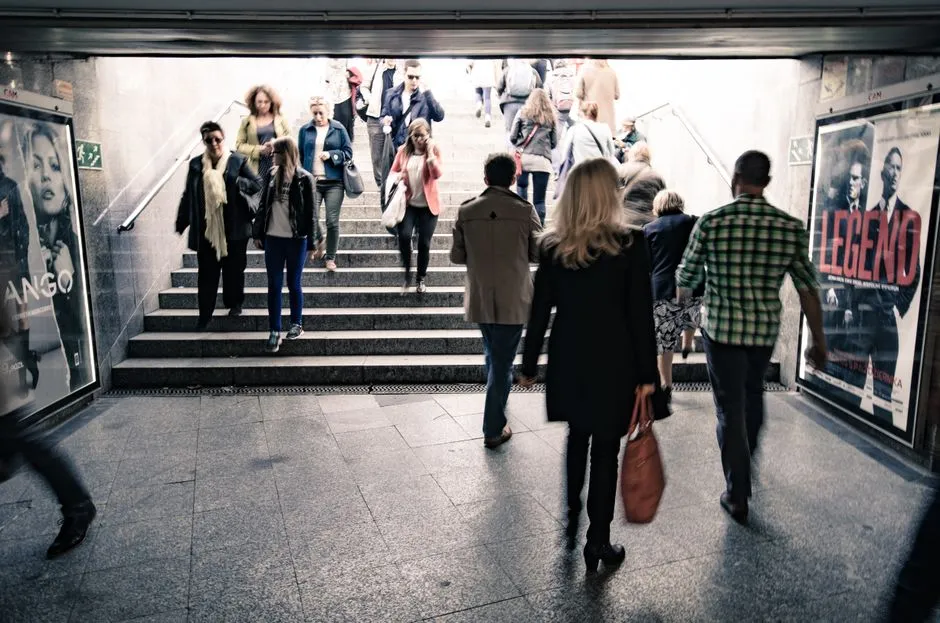
Over the past few weeks, a dynamic DOOH campaign across the London Underground and major UK transit hubs automatically adjusted its billboard messaging based on live regional weather data. When sudden downpours hit, the creative switched to rain-related messaging; when the sun broke through, outdoor lifestyle ads appeared instead. For UK advertisers, turning unpredictable British weather into high-converting moments has become both a technical challenge and a creative opportunity.
Digital out-of-home networks can connect to live weather feeds and set conditional rules that swap creative assets in real time. The advertiser defines geographic zones, weather thresholds (temperature, precipitation, humidity, UV index), and the corresponding ad to display. When a station in Birmingham reports rain, the system serves the rainy-day creative. When conditions clear, the sunny-weather variant goes live. No human approval step is required once the rules are configured.
This automation relies on APIs from weather services, a content management system capable of conditional logic, and screens with frequent refresh cycles. The London Underground and other major transit networks have invested in infrastructure that supports these rapid swaps, making it possible to respond to changes within minutes rather than hours.
British weather is famously inconsistent. Commuters check forecasts multiple times a day and often encounter conditions that differ from the morning prediction. Advertisers who match their message to the actual weather at the moment of viewing can tap into immediate relevance. A coffee brand might promote hot drinks during a cold snap, then switch to iced variants when the temperature climbs. An outdoor retailer can highlight waterproof jackets during rain and hiking gear when skies clear.
The advantage is not just relevance but timing. A static campaign forces the advertiser to choose a single message for the entire run. A dynamic campaign lets the brand hedge across multiple scenarios, showing each person the variant that fits their present context. This reduces waste and increases the chance that the message resonates.
Rain and sun are the most common triggers, but advertisers have used temperature bands, wind speed, pollen count, and air quality index to drive creative decisions. A pharmaceutical brand might promote allergy relief when pollen levels spike. A food delivery service might emphasize comfort meals on particularly cold or windy days. The same infrastructure that handles weather can also incorporate time-of-day, event schedules, and traffic data to refine targeting further.
Dynamic weather campaigns require more creative assets than static ones. Instead of one master visual, the advertiser must produce variants for each weather condition and ensure that messaging and imagery align with the corresponding scenario. This adds upfront cost and complexity, but the production investment is amortized across improved performance.
The creative team must also define the rules clearly. Should the rain variant appear at the first drop or wait until sustained precipitation is detected? Should the hot-weather creative kick in at fifteen degrees or twenty? These thresholds shape how often each variant appears and how well the campaign matches audience experience.
Because weather-triggered campaigns run autonomously, advertisers often review performance by weather condition rather than by week or daypart. Click-through rates, dwell time, and conversion metrics can be segmented by the variant served, revealing which scenarios drive the strongest response. If the sunny-day creative underperforms, the team can update the asset or adjust the trigger threshold before the next weather window arrives.
Not all DOOH networks support real-time weather integration. The capability depends on screen connectivity, content management flexibility, and access to reliable weather data. The London Underground, major rail stations, and high-traffic retail sites in the UK have adopted these systems, but smaller or older inventory may still operate on scheduled playlists without conditional logic.
Advertisers planning a weather-triggered campaign should confirm that the network can ingest external data feeds, refresh creative frequently, and report performance by variant. Some networks offer weather triggers as a standard feature; others require custom integration or higher-tier contracts.
Weather-responsive DOOH is becoming a baseline expectation in markets with variable climates. As more screens connect to real-time data sources and as creative production tools streamline multi-variant workflows, the barrier to entry continues to fall. Advertisers who treat weather as a dynamic targeting dimension rather than a static backdrop can capture attention at moments when context and message align, turning unpredictable conditions into predictable performance gains.
Most systems support temperature, precipitation, humidity, wind speed, UV index, pollen count, and air quality. Advertisers define thresholds for each condition and map them to specific creative variants.
Refresh time depends on the network. Leading UK transit networks can swap creative within minutes of a weather data update, while some outdoor sites may refresh every fifteen to thirty minutes.
Media rates are often similar, but advertisers must budget for additional creative production to cover multiple weather scenarios. Some networks charge a premium for dynamic capabilities or real-time data integration.
Yes. Many platforms allow layering of weather conditions with time-of-day, location, audience data, and event schedules to create highly specific targeting rules.
Urban areas with high DOOH density and variable weather see the strongest results. London, Manchester, Birmingham, and Edinburgh have the infrastructure and audience scale to support these campaigns effectively.
أخبرنا بالأسواق والجمهور والهدف. سيتولى متخصصونا بناء الخطة وإدارة الحملة من الموجز وحتى التنفيذ.
أخبرنا بالأسواق والجمهور والهدف. سيتواصل معك متخصصنا بالأشكال الإعلانية الموصى بها والتوافر والخطوات التالية خلال 48 ساعة.
شارك موجزك وسيتواصل معك متخصص بالأشكال الإعلانية الموصى بها والتوافر والخطوات التالية خلال 48 ساعة.